This study reveals that wheat migration as a strategy for climate adaptation lacks sustainability in the North China Plain. Irrigation and fertilization management provide mitigation opportunities to reduce negative environmental impacts and avoid carbon leakage.

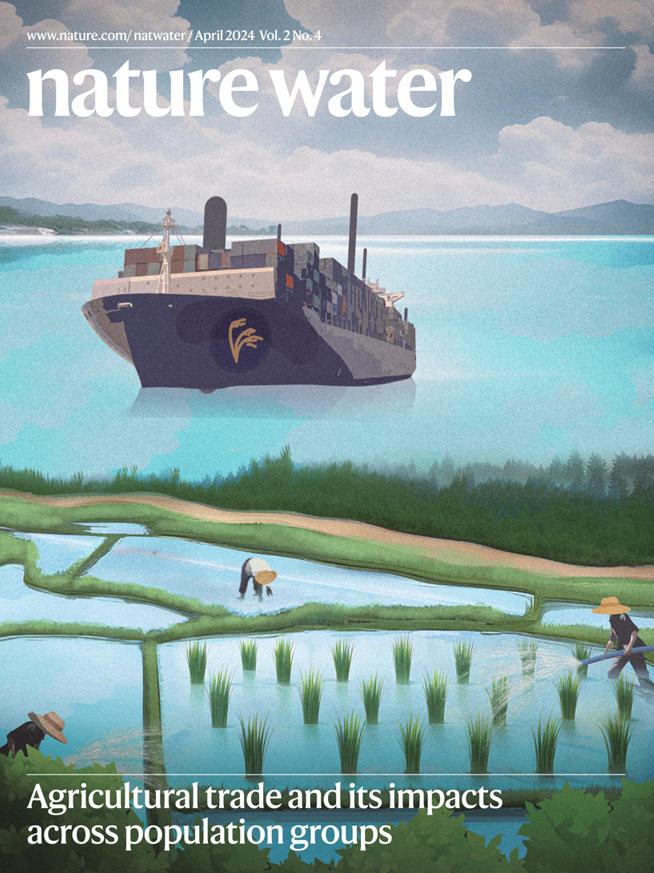
This work reveals that international agricultural trade eases water scarcity yet exacerbates inequity, disproportionately favouring more affluent populations, thus emphasizing the necessity for pro-poor policies for inclusive sustainable development.

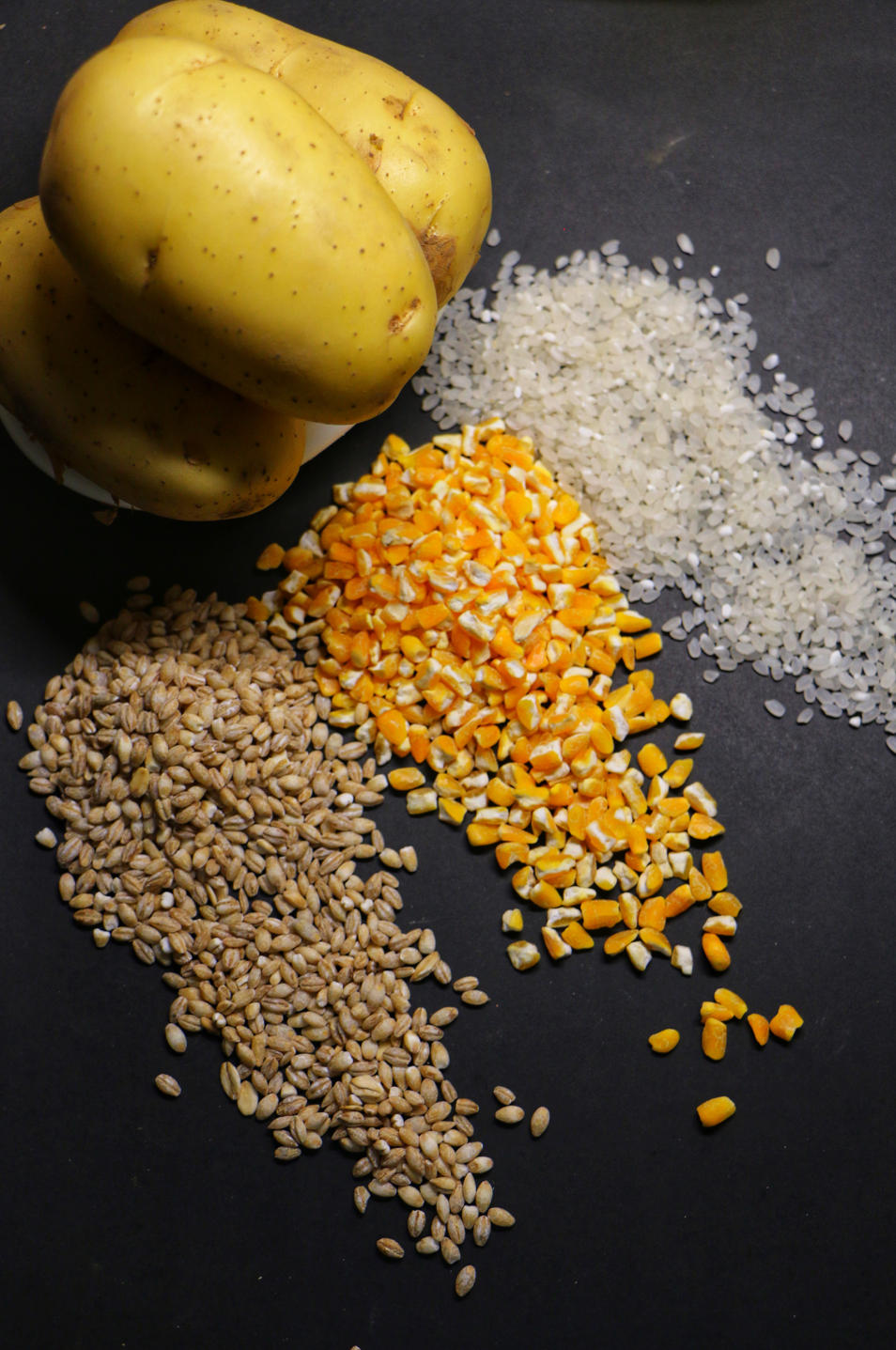
The policy of integrating potato as a staple of the diet in China has potential to improve food security. Here, it is shown that successful integration may also reduce total carbon-land-water impacts of staple crops in China by up to 25% by 2030.

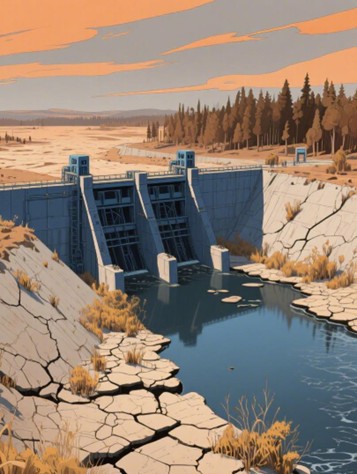
We assess spatiotemporal hydropower risk under climate change using a fixed-effects model on 5,082 plants in China and project revenue changes under 42 climate realizations. Southwest China emerges as a priority region for adaptation, highlighting the need for targeted investment and strategic hydropower planning.